

Composite Chart vs Synastry: Which One Explains Your Relationship?
Synastry describes how two people affect each other. A composite chart describes the relationship they create together. Here is how to read both without treating either as a verdict.
Synastry describes how two people affect each other. A composite chart describes the relationship they create together. Here is how to read both without treating either as a verdict.

Repeatedly meeting the same zodiac sign can feel destined, but the sign is often a clue to a familiar quality or relationship pattern rather than a fixed partner type.

Your Descendant describes the qualities that become charged in close relationships, including traits you seek in others and need to meet more consciously in yourself.
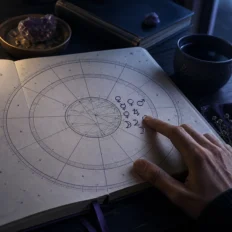
A stellium bundles several planets into the same zodiacal style or area of life. It creates a strong emphasis in your birth chart, but it does not erase everything else.
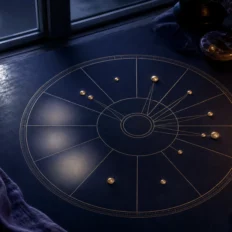
A house without natal planets is not inactive or unimportant. Its story is carried by the sign on its cusp, that sign’s ruling planet, and the transits that activate it.

Venus describes what attracts you and how you express affection. Your Moon reveals what you need to feel safe, understood, and at home in love.

Your Moon sign describes what makes you feel safe, how you react before thinking, and what helps you recover when life gets emotionally loud.

Your Sun, Moon, and rising signs describe conscious identity, emotional nature, and your instinctive approach to life. Here is how the three fit together.

Moon sign compatibility is less about finding a perfect match and more about understanding how two people seek comfort, react under stress, and repair emotional distance.

Your Moon sign describes your instinctive reactions, comfort needs, and private emotional nature. Here is how to find it, even if your birth time is uncertain.